
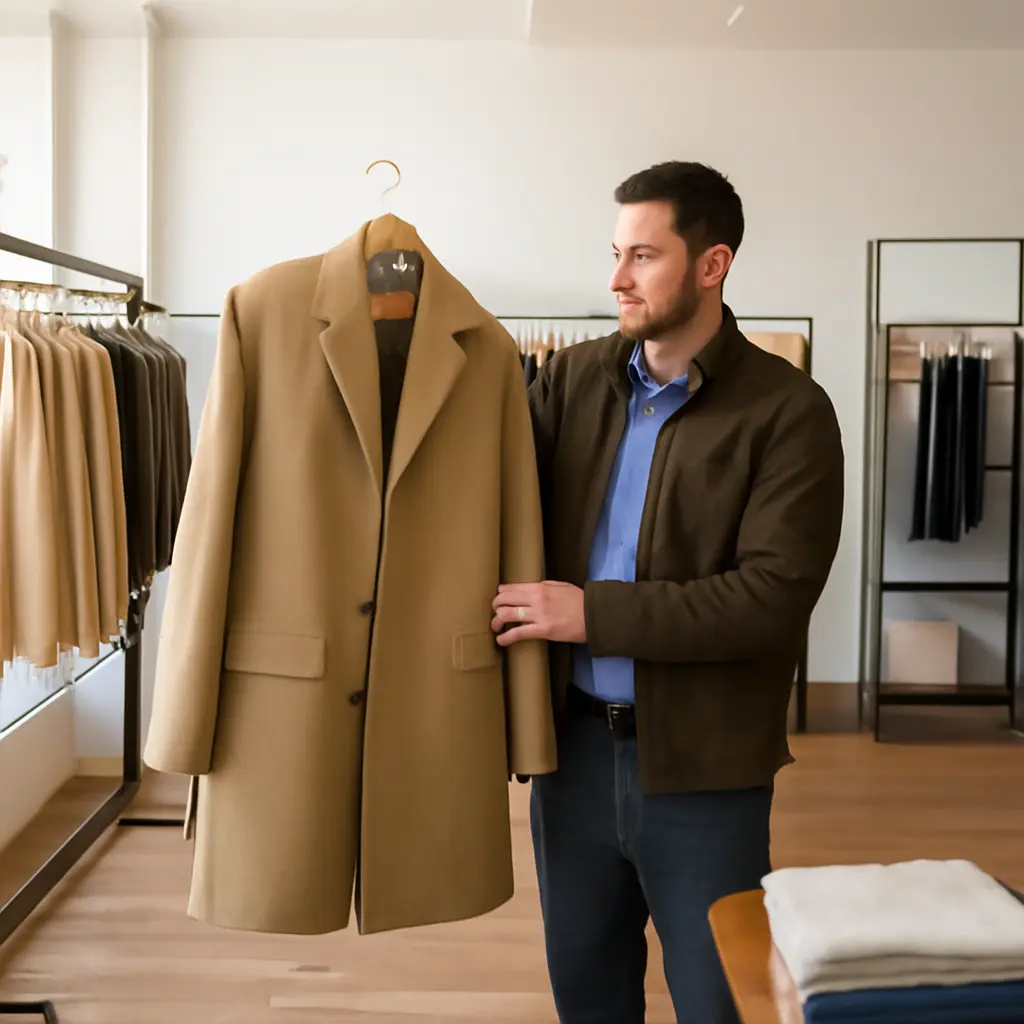
The smartest way to spend on a wardrobe is to choose one piece that earns its price through frequent wear, fit, and longevity, then keep the supporting pieces simple, well-maintained, and coordinated. This is not the same as buying the most expensive item: it means identifying what matters most to your daily life, checking cost per wear, and saving on basics without sacrificing fit or condition. Clothing prices and household budgets vary, so there is no universal ideal spending split; the practical test is whether the investment piece gets used often and the rest of the outfit still looks intentional.
Choose the Investment Piece by Cost per Wear
Cost per wear is the purchase price divided by the number of times an item is worn. It is a simple budgeting tool, not a guarantee that a purchase is worthwhile: an expensive item worn twice can be a poor value, while a moderately priced coat worn for years may be a strong one. The U.S. Bureau of Labor Statistics’ Consumer Expenditure Survey tracks household spending on apparel, but its averages describe broad populations rather than a personal clothing budget. Use your own routine and wardrobe gaps to decide what deserves the larger share.
Start with the item you wear most
A work jacket, everyday shoes, a winter coat, or a frequently worn bag may justify a larger budget because it repeatedly faces use, weather, and movement. Before buying, estimate realistic wear: if a $300 coat is worn 150 times, its purchase cost is $2 per wear before care and repairs. If it is worn only 15 times, the same purchase cost is $20 per wear. The estimate helps compare options, but fit, comfort, repairability, and whether the item suits your actual activities matter just as much.
Prioritize fit, construction, and repair
A higher price is not proof of higher quality. Examine seams, fastenings, fabric weight, lining, and whether a tailor or cobbler could repair the item. The Federal Trade Commission’s clothing-label guidance explains that care instructions and fiber information help consumers understand how garments should be maintained. Check those details before purchasing, especially for pieces that need frequent cleaning or specialized care. A well-fitting item that can be maintained is more likely to stay in rotation than a prestigious label that is uncomfortable or difficult to care for.
Save on Supporting Pieces Without Looking Cheap
The supporting pieces are the garments and accessories that make the investment item wearable: shirts, trousers, knitwear, belts, and everyday layers. Saving on them works best when you focus on visual coherence rather than brand names. Fashion stylist advice often emphasizes proportion, fit, and condition because these are immediately visible; a simple outfit can look polished when its pieces sit well and are clean, pressed, and in good repair.
Use a restrained color palette
Choose supporting pieces in colors that work with the investment item and with one another. Navy, black, gray, cream, denim, and earth tones can form a flexible base, though the right palette depends on the piece and personal style. Repeating a small number of colors makes lower-cost items easier to combine and reduces the temptation to buy a separate outfit for every occasion. Add contrast through texture or one accent color instead of relying on prominent logos.
Buy basics for fit and fabric, not labels
A basic shirt or sweater does not need to carry a luxury label to look considered. Look for a neckline that holds its shape, fabric that is appropriate for the season, and a cut that works with the investment piece. Check opacity, pilling, loose threads, and how the garment moves when you sit or reach. If a budget item fits imperfectly, a modest alteration may improve its appearance more than spending extra for a brand name.
Keep condition part of the budget
Clothing care helps preserve both expensive and inexpensive purchases. Follow the garment’s care label, address stains promptly, mend small defects, and rotate frequently worn items so they have time to recover between uses. The Environmental Protection Agency reports that 17 million tons of textile materials were generated in the United States in 2018, with 2.5 million tons recycled; the figures underline the scale of textile waste and the value of extending garment use where practical. Repairing and rewearing can save money while reducing avoidable replacement.
Build a Balanced Wardrobe Around One Standout
A standout item is most useful when the rest of the wardrobe supports it. Think of the purchase as a small system: the investment piece should work with several existing items, suit more than one setting when possible, and fill a genuine need. This approach helps prevent a common budget mistake—buying an impressive garment first and then spending more to make it wearable.
Check versatility before checkout
Ask whether the item works with at least three outfits you already own, whether it suits your regular activities, and whether you can wear it in the climate and season you experience. A tailored jacket might pair with jeans, work trousers, and a simple dress; a statement shoe may be less versatile if it only works with one occasion outfit. These questions turn “investment” from a marketing label into a practical wardrobe test.
Use secondhand, tailoring, and timing strategically
Resale shops and reputable online secondhand platforms can make a durable coat, leather bag, or formal piece more affordable. Inspect condition carefully and account for cleaning or repairs. For new purchases, compare prices across retailers and avoid rushing into a sale simply because a discount is advertised. The Federal Trade Commission advises consumers to understand pricing and promotional terms; a markdown is only a saving if the item was already on your list and fits your budget.
A Practical Spending Plan
There is no evidence-based rule that everyone should spend a fixed percentage on one garment. Instead, set a total clothing budget that does not interfere with essentials, then assign the largest share to the item with the greatest expected use or importance. Keep room for alterations, care, and repairs, and avoid carrying debt for discretionary clothing. A simple comparison can make the choice clearer:
- List the wardrobe gap the item will solve.
- Estimate realistic wears over its useful life and calculate purchase cost per wear.
- Compare fit, construction, care requirements, and repair options across alternatives.
- Identify supporting pieces you already own before shopping for more.
- Set a maximum price and wait if the purchase would strain your budget.
For example, someone who walks to work daily might prioritize comfortable, weather-appropriate shoes, then pair them with affordable trousers and tops that fit well. Someone who attends occasional formal events may get better value from renting or buying secondhand than purchasing a costly outfit that will rarely leave the closet. The best investment is therefore personal: it reflects how you live, not simply what costs the most.
Conclusion: Spend Intentionally, Then Make the Rest Work
Spending big on one piece without looking cheap means choosing for use, fit, construction, and versatility—not price alone. Cost per wear helps compare options; coordinated colors and well-fitting basics make supporting pieces look intentional; and care, repair, resale, and realistic budgeting help a wardrobe last. Before your next purchase, identify the item you will genuinely use most, check how it fits into outfits you already own, and save the rest of your budget for maintaining and wearing it well.
Sources: U.S. Bureau of Labor Statistics, Consumer Expenditure Surveys, https://www.bls.gov/cex/; Federal Trade Commission, Care Labeling Rule, https://www.ftc.gov/legal-library/browse/rules/care-labeling-rule; U.S. Environmental Protection Agency, Textiles: Material-Specific Data, https://www.epa.gov/facts-and-figures-about-materials-waste-and-recycling/textiles-material-specific-data; Federal Trade Commission, Shopping and Consumer Advice, https://consumer.ftc.gov/.