
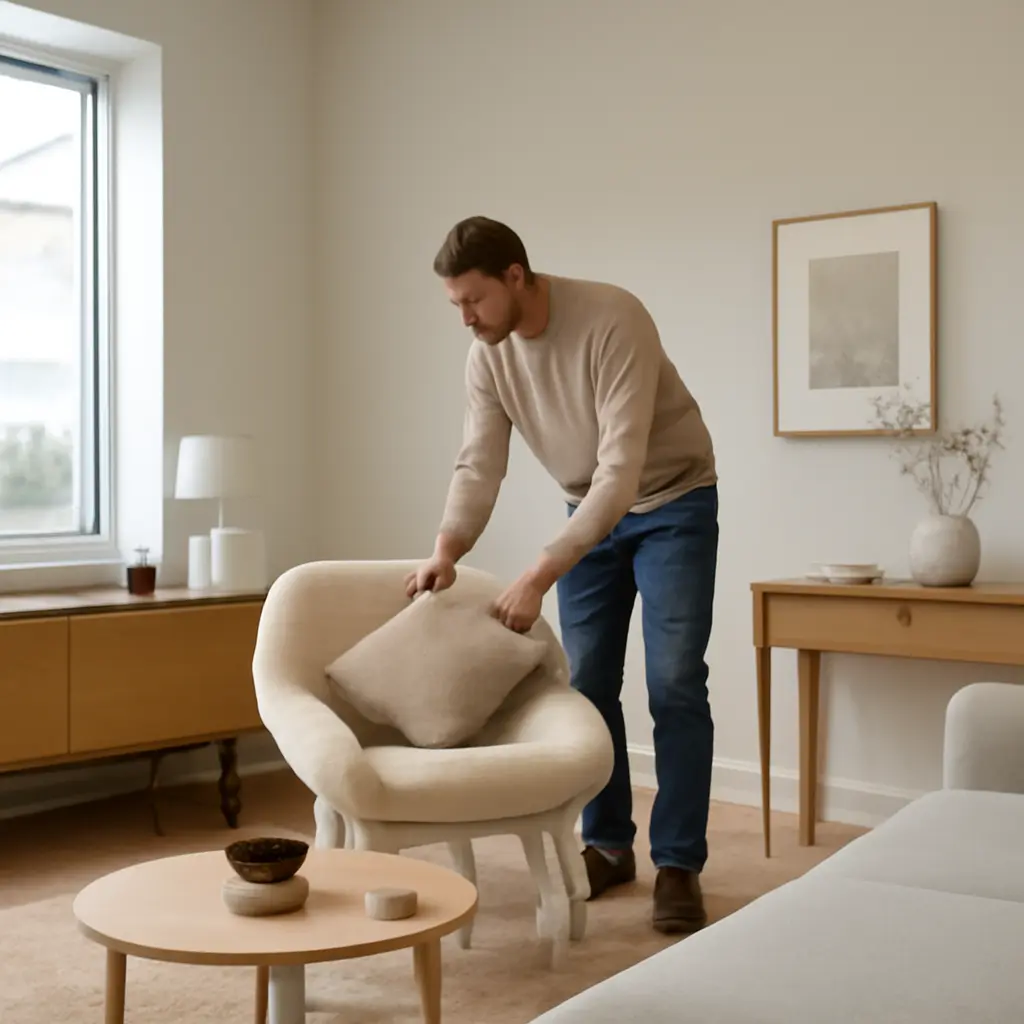
Scandinavian interiors are often described as simple, light and functional—but simplicity is not the same as blandness. The style’s strength comes from contrast: pale walls against tactile materials, clean-lined furniture beside sculptural lighting, and restrained palettes punctuated by carefully chosen color. If a room feels generic, the culprit may be interchangeable pieces rather than Scandinavian design itself. Choosing furniture with character, layering texture, and paying attention to proportion can make the look feel warm and distinctive. That matters in a design category shaped by both long-standing Nordic traditions and contemporary homes: Statistics Sweden reported that 63 percent of Sweden’s population lived in one- or two-person households in 2023, underscoring why flexible, well-designed interiors remain relevant. Below, we look at what Scandinavian design means, which pieces give it personality, how to combine them, and how to shop without turning a home into a showroom.
Scandinavian interior design balances function, simplicity and warmth
Scandinavian interior design is a broad approach associated with Denmark, Norway and Sweden, rather than a single fixed decorating recipe. The Nordic Museum in Stockholm describes the region’s design heritage through an emphasis on functional objects, craftsmanship and materials suited to everyday life. In a contemporary home, that can mean a practical layout, uncluttered forms and natural materials—but it does not require an all-white room or furniture that looks as if it came from one set.
The distinction matters because pale walls and spare furniture are only surface cues. A room can follow those conventions and still feel lifeless if every surface is smooth, every shape is predictable and every accent is chosen to match. Character comes from considered variation: a sturdy wooden table, a textured rug, a striking lamp or an artwork that brings in a less expected color.
Function is the starting point, not an excuse for plainness
Functional design means an object works well for the way people actually live. A dining chair should be comfortable for more than a quick meal; a side table should be the right height for the sofa; storage should make daily routines easier. The Danish Design Museum’s presentation of Danish design history highlights the relationship between form, materials and everyday use. In practice, that principle leaves plenty of room for expressive silhouettes and beautiful detailing—as long as they serve a purpose.
Hygge describes an atmosphere, not a shopping list
Hygge is a Danish concept commonly associated with comfort, conviviality and a sense of ease. It is not a requirement to fill a room with candles, nor a label for a particular beige palette. Soft light, inviting seating, warm materials and objects that make a room comfortable to use can all support a hyggelig atmosphere. The important point is that feeling comes from how a space works and is experienced, not from buying a themed collection.
Once function and atmosphere are understood as the foundation, the next step is to look at the objects themselves. Some categories have an especially strong influence on whether a Scandinavian room feels individual or mass-produced.
Furniture and lighting give Scandinavian interiors their character
Furniture and lighting are the most visible ways to add distinction without abandoning a calm, Nordic-inspired scheme. Danish design history includes well-known examples of furniture shaped by craft, ergonomics and material choices, while Nordic lighting often treats a lamp as both a source of illumination and a sculptural object. The lesson is not that every room needs a collectible design classic. It is that shape, construction and scale matter more than whether a piece is currently trending.
Choose a hero chair with a recognizable silhouette
A hero chair is a visually distinctive seat that acts as a focal point. It might have a curved wooden frame, a woven seat, a rounded upholstered back or an unusually elegant profile. Pair one expressive chair with a more restrained sofa or dining table, so the room has a focal point without becoming crowded. Before buying, check seat height, width and comfort: a beautiful chair that cannot be used comfortably is decorative rather than functional.
Use lighting in layers instead of relying on one ceiling fixture
Layered lighting combines general illumination with focused and ambient light. A ceiling pendant can provide broad light, while a floor lamp supports reading and a table lamp creates a softer pool of light in the evening. The U.S. Department of Energy notes that LED bulbs use at least 75 percent less energy and last up to 25 times longer than incandescent lighting. That efficiency makes it practical to use several well-placed light sources, while warm-toned bulbs and dimmers can help a room feel relaxed rather than clinical.
Let wood bring variation, not just a pale finish
Wood adds grain, color and tactile warmth. Light ash, oak or birch can keep a room airy, but mixing wood tones thoughtfully can make it feel less like a furniture catalogue. For example, a pale dining table can sit alongside a darker vintage cabinet, provided the finishes share a compatible undertone or the contrast is repeated elsewhere. Look at grain, sheen and visual weight—not just the name of the wood—when deciding whether pieces belong together.
Furniture establishes the room’s main shapes, but the finish comes from what surrounds them. Textiles, ceramics and art soften hard edges and add the variation that restrained interiors need.
Texture, color and personal objects keep Nordic rooms from feeling generic
Texture is the visible or tactile character of a surface: the roughness of linen, the weave of wool, the grain of timber or the glaze on ceramic. In a restrained color scheme, these differences do much of the visual work. The Swedish concept of lagom—often interpreted as “just the right amount”—can be a useful guide: introduce enough contrast to create interest, but leave room for the eye to rest.
Layer textiles to add softness and depth
Textile layering means combining materials with different weights and weaves rather than matching every fabric. A flat-weave rug, a wool throw, linen curtains and a nubby cushion can give a neutral room depth without introducing a busy pattern. The U.S. Environmental Protection Agency’s guidance on indoor air quality identifies dust and other particles as common indoor concerns; textiles can collect dust, so choose washable covers and clean rugs regularly, especially in homes where allergies are a concern.
Add color through one or two deliberate accents
An accent color is a limited, purposeful departure from a room’s main palette. A blue-green vase, a rust-colored cushion or an artwork with saturated tones can make a neutral scheme feel more personal. Instead of repeating the accent everywhere, echo it once or twice in smaller details. This preserves visual calm while making the room feel chosen rather than assembled from a matching set.
Display objects that tell a story
Personal objects include inherited ceramics, travel finds, books, photographs and handmade pieces. Their value is not that they conform to a style label; they give a home evidence of the people who live there. A simple shelf or sideboard can make a few objects stand out, while overcrowding them removes that clarity. Try grouping items by material or height, then leave some open space around the arrangement.
These choices are easier to make when shopping starts with the room rather than the product. A few practical checks can help identify pieces that support Scandinavian design principles without producing a generic result.
A better shopping strategy starts with scale, quality and restraint
Buying the “wrong pieces” often means choosing objects because they look Scandinavian in isolation, without considering how they fit the home. A pale compact sofa may be attractive online but too small for a large room; a chunky table may overwhelm a narrow dining area. Measure first, check how an item will be used and decide what role it plays before committing.
Measure the room and protect circulation space
Scale is the relationship between a piece of furniture and the room around it. Measure doorways, walkways and the intended furniture footprint, then mark the outline on the floor with painter’s tape. This simple test can reveal whether a sofa blocks a route or a dining table leaves enough space to pull out chairs. The goal is not to fill every corner, but to make the room comfortable to move through.
Prioritize durability and repairability
A durable purchase is one that can handle regular use and, ideally, be maintained or repaired. Inspect joinery, upholstery construction, replaceable components and care instructions. The European Environment Agency has reported that the EU generated 12.6 million tonnes of textile waste in 2019, a figure that illustrates the broader environmental cost of short-lived consumption. Buying fewer, longer-lasting pieces—and considering secondhand furniture—can reduce the pressure to replace a room every time tastes shift.
Mix eras and makers instead of buying a complete set
A mixed interior combines pieces from different periods, designers or sources while keeping a coherent balance of shape, material and color. For instance, a contemporary sofa can work beside a vintage timber table and a modern paper pendant. Before buying a matching bedroom or dining set, consider whether one or two distinctive pieces would make the room more layered. Mixing does not mean collecting randomly: repeat a material, tone or line to connect the pieces.
Use a simple three-part room check
Before purchasing, ask three questions: Does the piece solve a real need? Does its scale suit the room? Does it add a material, shape or detail that is missing? If the answer to all three is yes, it is more likely to contribute than simply repeat what is already there.
A useful visual guide is a room-by-room comparison chart: place function, proportion, texture, color and personal meaning in separate columns, then note which existing pieces already meet each need. This makes gaps visible and helps prevent duplicate purchases.
Conclusion: Scandinavian interiors feel distinctive when the pieces do
Scandinavian interior design is not a mandate for blank walls, matching furniture or endless beige. Its core attributes—function, craftsmanship, natural materials and an easy sense of comfort—leave plenty of room for character. A distinctive chair, layered lighting, tactile textiles, considered color and personal objects can give a restrained room depth. Thoughtful measuring, attention to durability and mixing eras help ensure that purchases work in real life as well as in photographs.
Start with what your home needs, identify one area that feels flat, and change it with a piece that adds useful contrast. Then live with the choice before buying more. That approach keeps the spirit of Scandinavian design—practical, welcoming and carefully considered—while making the result unmistakably yours.
Sources: Statistics Sweden, “Population by household type, number of persons and year,” 2023, https://www.scb.se/en/finding-statistics/statistics-by-subject-area/household-finances/household-composition/households-and-co-residents/; Nordic Museum, “The History of Swedish Design,” https://www.nordiskamuseet.se/en/exhibitions/the-history-of-swedish-design/; Designmuseum Danmark, “Danish Design,” https://designmuseum.dk/en/; U.S. Department of Energy, “LED Lighting,” https://www.energy.gov/energysaver/led-lighting; U.S. Environmental Protection Agency, “Introduction to Indoor Air Quality,” https://www.epa.gov/indoor-air-quality-iaq/introduction-indoor-air-quality; European Environment Agency, “Textiles and the Environment: The Role of Design in Europe’s Circular Economy,” https://www.eea.europa.eu/publications/textiles-and-the-environment-the